
Major Felonies
Strong defense when your future is on the line
Felony Basics
What is a felony?
In Washington, a felony is any crime punishable by more than one year in a state prison. Felonies are divided into three classes, each with its own maximum "ceiling" for punishment:
Class A Felonies: The most serious offenses (e.g., Murder, Rape 1, Robbery 1). Penalty: Up to Life in prison and a $50,000 fine.
Class B Felonies: (e.g., Residential Burglary, Theft 1, Possession of a Stolen Vehicle). Penalty: Up to 10 years in prison and a $20,000 fine.
Class C Felonies: (e.g., Felony DUI, Assault 3, Possession of Controlled Substances with Intent). Penalty: Up to 5 years in prison and a $10,000 fine.
Should I speak to the police?
A resounding NO. In felony practice, detectives often use a tactic called a "voluntary interview." They will call you and say they just want to "hear your side of the story" or that they are "finishing up their investigation." Do not be fooled. This is a trap designed to secure a confession or lock you into a statement they can later cast into doubt.
Crucial Warning: If you are not under arrest and you walk into that station voluntarily, the police do not have to read you your Miranda rights. They can question you for hours without ever warning you that you have the right to remain silent or a right to a lawyer. By the time they do arrest you, the damage is already done. Never go to an interview without a Bulldog in the room.
How long does a felony usually take to resolve?
Felony cases are marathons, not sprints. Because the discovery (evidence) is often voluminous and involves forensic testing, DNA, or digital data, a typical felony case can take anywhere from 6 to 18 months to resolve. Cases involving complex litigation or those heading to a jury trial can take even longer. Jared prefers to move quicker when possible.
What hearings do felonies have?
The felony process in Superior Court follows a specific rhythm:
Arraignment: This is your first formal appearance. The judge reads the charges, you enter a plea, usually "Not Guilty," and the court decides whether there will be conditions on your release and whether you will be held in jail pending the outcome of the case.
Omnibus Hearing: This is a procedural "check-in" where the defense and the prosecution confirm that all discovery (evidence) has been exchanged and that the case is on track. We use this hearing to raise issues regarding missing evidence or constitutional violations. If we aren't ready to set the case for trial or resolution we continue the case to get another omnibus hearing in the future.
Trial: If a resolution cannot be reached, your case goes to a jury of twelve citizens. This is where the State must prove your guilt beyond a reasonable doubt.
How does felony sentencing work?
Sentencing in Washington is governed by the Sentencing Reform Act (SRA). Unlike other states where a judge has total discretion, Washington uses a "Sentencing Grid."
Your "Standard Range" is determined by two factors:
Offense Seriousness Level: A ranking from I to XVI based on the crime itself.
Offender Score (The Points): This is where your criminal history comes into play. You are assigned "points" based on prior convictions. Higher points lead to higher prison ranges. For example, a person with 0 points might face months in jail, while a person with 9 points facing the same charge could be looking at years in prison.
Do I need a lawyer immediately?
Yes. If you suspect you are under investigation, you need a lawyer before charges are even filed. A proactive defense can sometimes prevent charges from being filed in the first place, or ensure that you aren't taken into custody by surprise.
What happens to my right to own a firearm?
Under Washington law, any felony conviction results in the immediate and permanent loss of your right to possess a firearm. Even being charged with a felony can result in a court order requiring you to surrender your weapons while the case is pending.
If you are convicted, the only way to get these rights back is through a formal "Restoration of Firearm Rights" petition in Superior Court, which can usually only be filed after a significant period of time (typically 5 or 10 years) has passed without any new criminal law violations. Protecting your Second Amendment rights starts with preventing the felony conviction in the first place.
Experienced Felony Representation
Aggressive Motions Practice
A strong defense starts long before a jury is seated. Jared has written and argued more than 400 motions in District, Municipal, and State Courts. He specializes in novel legal approaches to suppress evidence, challenge illegal police conduct, and dismiss charges before they ever reach trial. This technical, written advocacy is often the difference between a prison sentence and a dismissal.
Trial Tested
With 39 jury trials under his belt, Jared is not a lawyer who just "pleas clients out." He prepares every felony as if it is going to trial, which is often the only way to get the prosecution to listen.
Serious Offenses
Jared has spent years in Superior Court representing clients facing the most serious charges possible, including Murder and Rape. He understands the forensic evidence, DNA expert testimony, and high-stakes investigation techniques required to win these cases.
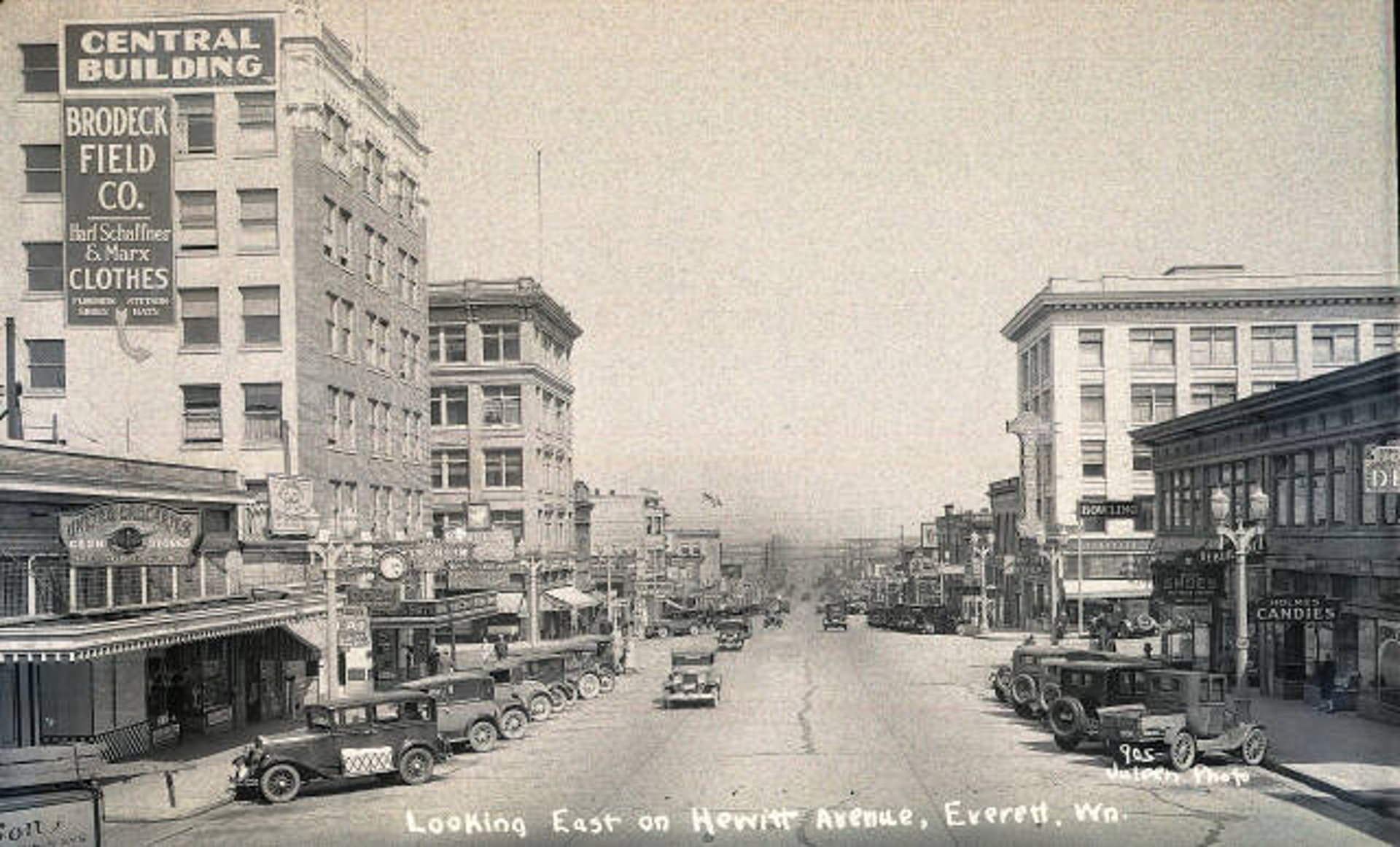
1721 Hewitt Ave
Suite 600
Everett, WA
Phone
425-405-0506